
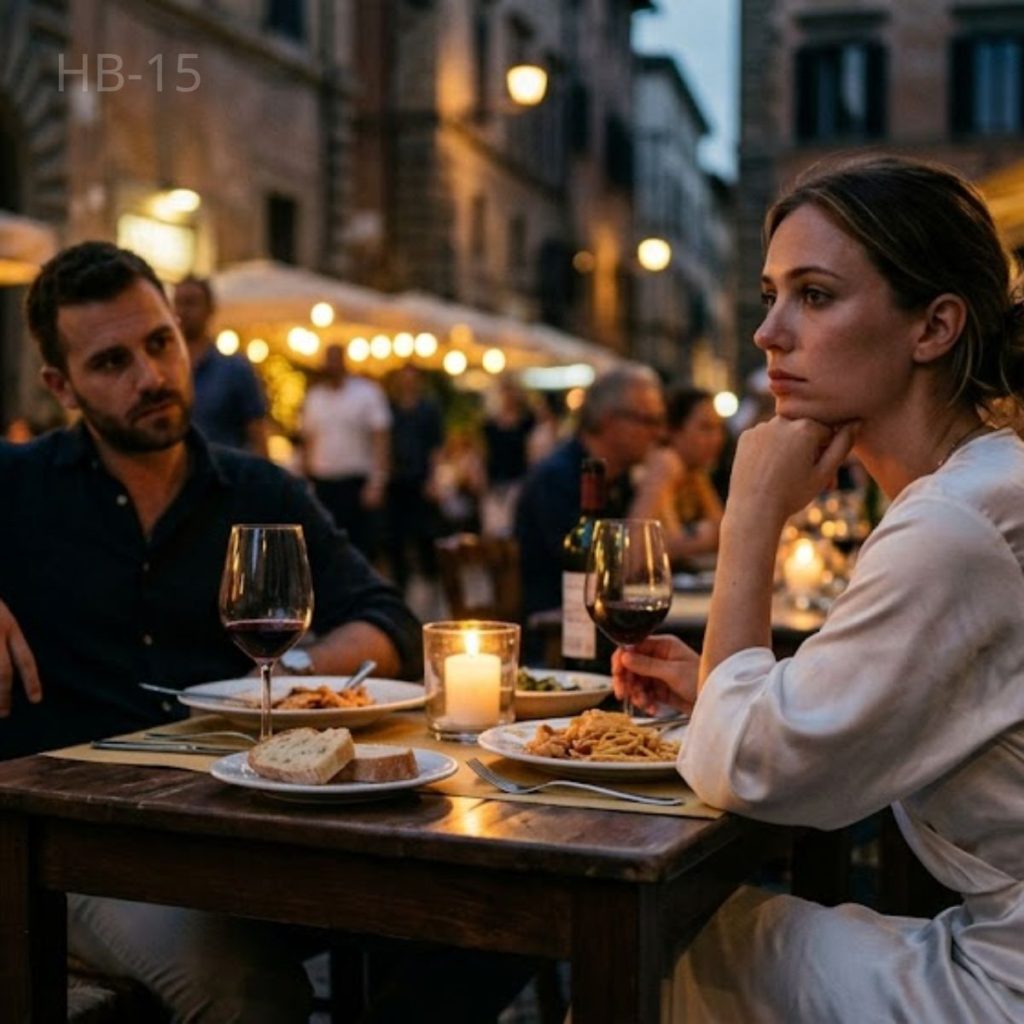
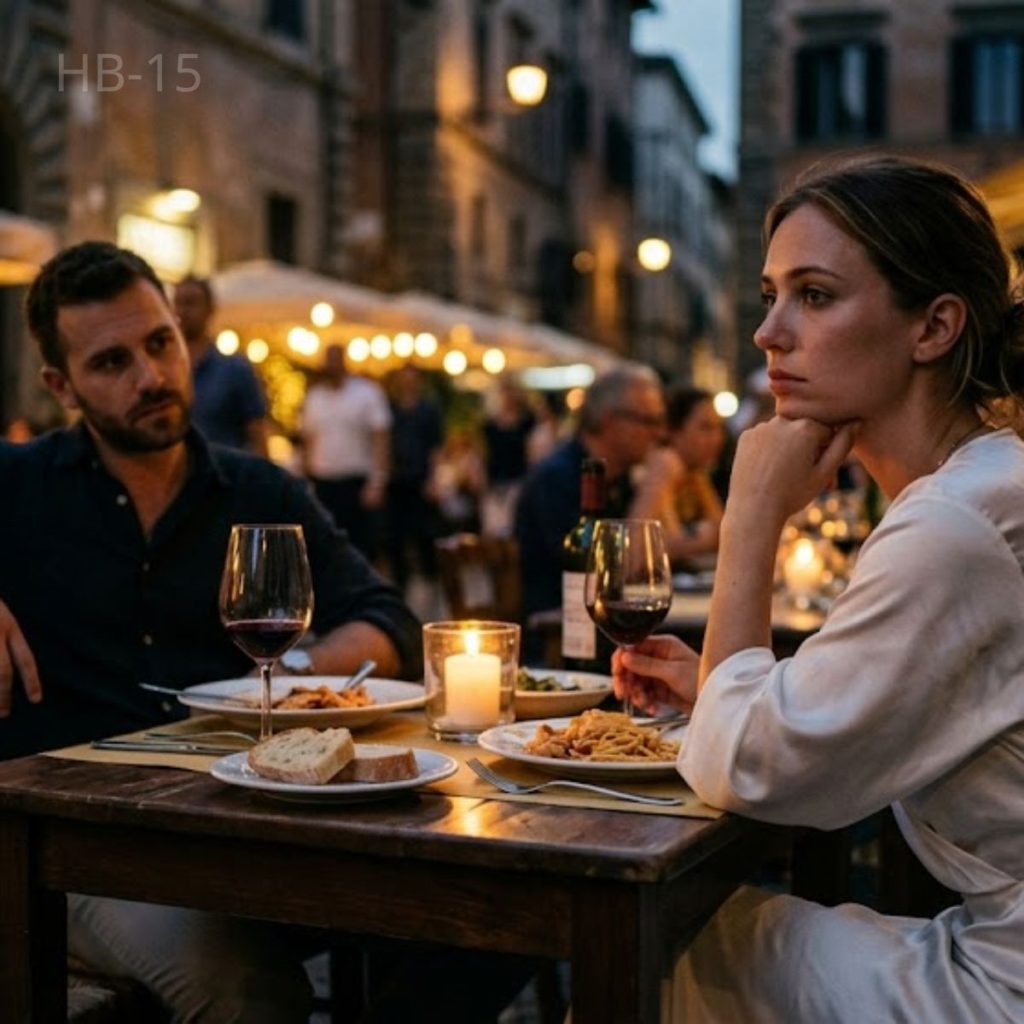
Every Sunday, my sister-in-law had family dinners and left us out on purpose. “Sorry, it’s just for close family,” she’d say—while inviting everyone else. But when we started our own Sunday garden dinners something unexpected happened…
I didn’t recognize it as a pattern at first. I honestly didn’t. It arrived the way many small hurts arrive—softly, in fragments, disguised as coincidence. A mention in passing. A laugh that didn’t include you. A photograph that appears after the fact, like proof that something real happened somewhere else.
The first Sunday it happened, I was folding towels at the foot of the bed, trying to convince myself I liked the rhythm of domestic chores. The windows were open because the weather had finally warmed, and from outside came the faint sound of a mower somewhere down the street, the buzz of a neighbor’s conversation carried on the breeze.
My phone vibrated on the dresser. A message from my sister-in-law, Marissa.
“Hosting dinner tonight,” it read. “Just letting everyone know.”
There was no invitation. No “come by.” No question mark. Just a statement, as if dinner were a weather event.
I paused with a towel in my hands and waited for the follow-up that didn’t come. I glanced at the family group chat. It was already busy with little thumbs-up reactions and “Can’t wait!” messages from people whose schedules seemed magically flexible whenever Marissa cooked. My husband, Jonah, was in the shower. The towel drooped between my fingers like a flag.
When Jonah came out and I asked, lightly, whether we were going, he patted his hair dry and said, “Oh. I guess she didn’t actually invite us.”
He said it the way you might say the trash needs to go out. No heat in it. No surprise. Just a note.
“Maybe it’s a smaller thing,” I offered, my voice too hopeful.
Jonah shrugged. “Maybe.”
We stayed home. We ordered takeout. We ate on the couch, the cartons balanced carefully, the television too loud because silence felt like acknowledgment.
The next week, I only found out there had been another dinner because Jonah’s cousin mentioned “last Sunday’s roast” on the phone, a casual reference that made my stomach tighten. A few days later, someone posted photos in the family chat—Marissa’s long dining table lit by candles, her glassware lined up like obedient soldiers, Jonah’s cousins laughing in the background with their cheeks flushed from wine.
In one photo, Marissa stood at the head of the table, holding a serving spoon like a scepter, smiling as if she were the only person who could assemble a family into something beautiful.
We hadn’t been there.
I stared at the images too long, scrolling with a thumb that felt numb. Jonah passed behind me and glanced at the screen.
“Did you know about this?” I asked.
He leaned in, squinted as if studying a weather forecast. “No.”
“Do you want to ask her?”
His shoulders lifted again, that same small shrug. “I don’t know. She’s… Marissa.”
As if that explained everything. And maybe it did, if you’d been raised in their family, if you’d learned early that Marissa’s moods were a kind of climate you adjusted to rather than challenged.
By the third Sunday, I finally couldn’t pretend it was accidental. It wasn’t like she forgot Jonah existed. It wasn’t like we lived across the country or had declined so many invitations that she stopped trying. We were fifteen minutes away. Sometimes ten, depending on the lights.
That Sunday afternoon, while Jonah rinsed dishes and I wiped counters, my phone buzzed again. Marissa posted a photo of a cutting board covered in chopped herbs, the caption: “Dinner prep! Excited!”
My chest did something strange, a tightening that felt both childish and sharp. I heard myself say, “Is she doing it again?”
Jonah’s hands paused under running water. “Probably.”
“What if we just show up?” I asked. The words startled me as they came out. “Like… as if it’s normal.”
Jonah turned the faucet off, water dripping from his wrists. “She’d act like it was a mistake.”
“What mistake? Like we… accidentally arrived at her house?”
“She’d say it’s just for close family.”
He said it with a faint, resigned mimicry, as if he’d heard the phrase in his head so many times it had become a soundtrack.
I stared at him. “We’re close family.”
Jonah’s mouth tightened at one corner. “To her, close family means whoever fits her plan that day.”
I didn’t know how to respond to that. I didn’t even know how to argue with it, because he sounded like someone stating a simple truth he’d learned long before he met me.
That evening, around seven, photos began appearing in the chat. Plates. Glasses. A golden roast chicken. A boomerang video of cousins clinking wine and laughing. Someone tagged Jonah. “Miss you guys!” a cousin wrote, as if we were on a tropical vacation rather than sitting in our own quiet house.
Jonah didn’t respond. His phone stayed face down on the coffee table like a dismissed invitation.
For a while, our Sundays developed a heavy quietness. Not dramatic. Not the kind of silence where someone storms off or slams doors. Just a thickening in the air, the feeling of two people trying not to look at the same bruise.
We’d eat later than normal. We’d pick meals that didn’t require effort. Frozen pizza. Sandwiches. Anything that didn’t look like a celebration.
And then, one Sunday, Jonah carried our plates outside.
It was warm that day, the kind of heat that makes rooms feel close and sticky. The house smelled faintly of detergent because I’d washed the bedding that morning, and the scent made the living room feel too domestic, too trapped.
Jonah didn’t say anything dramatic like, “Let’s reclaim our Sundays.” He just nodded toward the back door and said, “It’s nicer out.”
He set the plates on the small folding table we’d bought years ago for a camping trip that never happened. We had two cheap chairs and a patch of backyard that we’d been half-heartedly trying to turn into something green. A few herbs in pots. Tomato plants that leaned crookedly as if ashamed of themselves. A strip of soil that refused to become anything soft.
We sat down in the fading afternoon light and ate there. The air moved. A bird somewhere made a sound that felt like approval. Jonah’s shoulders looked less tense outside than they did under a ceiling.
We didn’t talk about Marissa. We didn’t talk about her table or her candles or the way her dinners glowed in photos like a curated magazine spread. We talked about Jonah’s work, about a coworker who never stopped complaining, about whether our tomatoes would ever stop looking like they were about to give up.
When we finished eating, we didn’t immediately clear the plates. We stayed sitting, letting the last bits of daylight soften around us. A moth circled the porch light and then disappeared. Jonah leaned back and sighed like someone who’d been holding his breath all week without noticing.
That was the first Sunday dinner in the garden.
The next Sunday, we did it again.
At first, it was practical. The weather was still warm. The kitchen felt small. Eating outside made everything easier, like we’d stepped into a different version of our life. One where Sundays weren’t measured by what we didn’t have.
We began planning for it the way you plan for something small but important. We grilled vegetables one week. We ate leftover pasta another. We brought home takeout in paper containers and arranged it on real plates as if to trick ourselves into believing it was a meal made with intention.
There was nothing fancy about it. No candles. No linen napkins. The folding table wobbled if you leaned on it wrong.
But something shifted, slowly, quietly….
—
Our Sundays stopped feeling like empty spaces waiting for someone else’s approval.
It started, oddly enough, with our neighbor.
Mrs. Delgado lived two houses down. She was in her late sixties, always walking her small dog in the evenings, the leash wrapped around her wrist like jewelry. I knew her mostly as a presence—someone who waved when she passed, someone whose porch always smelled faintly of garlic.
One Sunday, as Jonah and I ate outside, Mrs. Delgado walked past the fence with her dog. She slowed when she saw us, her gaze snagging on the table.
“That looks nicer than eating inside,” she called, her voice warm.
Jonah stood up, leaning on the fence. “It is. Want to come in for a minute?”
Mrs. Delgado laughed like the idea was both ridiculous and charming. “Oh, I couldn’t.”
“Why not?” I asked, surprising myself. “We’re just sitting.”
Her dog sniffed along the fence line, tail wagging. Mrs. Delgado hesitated, one hand on the gate latch. “Well… maybe just for a minute.”
She came in, sat for ten minutes, asked us about our jobs, told us her daughter might be visiting soon. She complimented our herbs, even though the basil looked like it had been through an emotional crisis.
When she left, she said, “Next time I’ll bring something.”
I assumed she was being polite, the way people say they should get coffee sometime.
But the following Sunday, she appeared at the gate holding a small loaf of bread wrapped in a towel.
“I baked,” she announced, as if daring us to refuse.
Jonah’s face lit up in a way I hadn’t seen in weeks. He thanked her, sliced the bread, set it on the table. We ate warm pieces with butter, and Mrs. Delgado told us stories about her childhood in a town where everyone ate outside because the houses were too hot.
That night, after she left, Jonah said, “That was… nice.”
It was. It felt like something our house had been missing that had nothing to do with Marissa.
A few Sundays later, Jonah mentioned our backyard dinners to a coworker, a guy named Nate who lived nearby and didn’t have family in town. Nate was the kind of person who laughed too loudly and always looked mildly exhausted.
“Come by if you want,” Jonah told him casually, as if inviting someone over were no big deal. “We eat outside. It’s low-key.”
Nate showed up the next Sunday with a six-pack of beer and a bag of chips.
“I didn’t know what the rules were,” he said, grinning. “So I brought… snacks.”
“There are no rules,” I told him, and realized I meant it.
The gathering stayed small and unstructured. People came by for half an hour, stayed longer. Mrs. Delgado brought her daughter one week. Nate brought a friend another. Sometimes it was still just Jonah and me, the two of us alone at the table with our plates and the quiet hum of evening. But even those Sundays felt different now.
Our backyard dinners weren’t an event. We didn’t call them anything. They were simply dinner outside.
The garden changed along with it, as if responding to the presence of laughter.
One Saturday, Jonah came home from the hardware store with a box of string lights.
“I thought… it might be nice,” he said, almost embarrassed.
He spent the afternoon looping them along the fence. When he turned them on that night, the backyard glowed softly, a warm halo that made our small patch of grass look intentional.
The folding table, however, began to feel inadequate. The first time four people showed up, we balanced plates on laps and laughed about it, but afterward Jonah looked at the wobbling legs and said, “Okay. We need something sturdier.”
He didn’t say it like a project. He said it like a person who suddenly believed something deserved to be built properly…. Type THE TIME DISPLAYED ON THE CLOCK WHEN YOU READ THIS STORY if you’re still with me.
I didn’t recognize it as a pattern at first. I honestly didn’t. It arrived the way many small hurts arrive—softly, in fragments, disguised as coincidence. A mention in passing. A laugh that didn’t include you. A photograph that appears after the fact, like proof that something real happened somewhere else.
The first Sunday it happened, I was folding towels at the foot of the bed, trying to convince myself I liked the rhythm of domestic chores. The windows were open because the weather had finally warmed, and from outside came the faint sound of a mower somewhere down the street, the buzz of a neighbor’s conversation carried on the breeze.
My phone vibrated on the dresser. A message from my sister-in-law, Marissa.
“Hosting dinner tonight,” it read. “Just letting everyone know.”
There was no invitation. No “come by.” No question mark. Just a statement, as if dinner were a weather event.
I paused with a towel in my hands and waited for the follow-up that didn’t come. I glanced at the family group chat. It was already busy with little thumbs-up reactions and “Can’t wait!” messages from people whose schedules seemed magically flexible whenever Marissa cooked. My husband, Jonah, was in the shower. The towel drooped between my fingers like a flag.
When Jonah came out and I asked, lightly, whether we were going, he patted his hair dry and said, “Oh. I guess she didn’t actually invite us.”
He said it the way you might say the trash needs to go out. No heat in it. No surprise. Just a note.
“Maybe it’s a smaller thing,” I offered, my voice too hopeful.
Jonah shrugged. “Maybe.”
We stayed home. We ordered takeout. We ate on the couch, the cartons balanced carefully, the television too loud because silence felt like acknowledgment.
The next week, I only found out there had been another dinner because Jonah’s cousin mentioned “last Sunday’s roast” on the phone, a casual reference that made my stomach tighten. A few days later, someone posted photos in the family chat—Marissa’s long dining table lit by candles, her glassware lined up like obedient soldiers, Jonah’s cousins laughing in the background with their cheeks flushed from wine.
In one photo, Marissa stood at the head of the table, holding a serving spoon like a scepter, smiling as if she were the only person who could assemble a family into something beautiful.
We hadn’t been there.
I stared at the images too long, scrolling with a thumb that felt numb. Jonah passed behind me and glanced at the screen.
“Did you know about this?” I asked.
He leaned in, squinted as if studying a weather forecast. “No.”
“Do you want to ask her?”
His shoulders lifted again, that same small shrug. “I don’t know. She’s… Marissa.”
As if that explained everything. And maybe it did, if you’d been raised in their family, if you’d learned early that Marissa’s moods were a kind of climate you adjusted to rather than challenged.
By the third Sunday, I finally couldn’t pretend it was accidental. It wasn’t like she forgot Jonah existed. It wasn’t like we lived across the country or had declined so many invitations that she stopped trying. We were fifteen minutes away. Sometimes ten, depending on the lights.
That Sunday afternoon, while Jonah rinsed dishes and I wiped counters, my phone buzzed again. Marissa posted a photo of a cutting board covered in chopped herbs, the caption: “Dinner prep! Excited!”
My chest did something strange, a tightening that felt both childish and sharp. I heard myself say, “Is she doing it again?”
Jonah’s hands paused under running water. “Probably.”
“What if we just show up?” I asked. The words startled me as they came out. “Like… as if it’s normal.”
Jonah turned the faucet off, water dripping from his wrists. “She’d act like it was a mistake.”
“What mistake? Like we… accidentally arrived at her house?”
“She’d say it’s just for close family.”
He said it with a faint, resigned mimicry, as if he’d heard the phrase in his head so many times it had become a soundtrack.
I stared at him. “We’re close family.”
Jonah’s mouth tightened at one corner. “To her, close family means whoever fits her plan that day.”
I didn’t know how to respond to that. I didn’t even know how to argue with it, because he sounded like someone stating a simple truth he’d learned long before he met me.
That evening, around seven, photos began appearing in the chat. Plates. Glasses. A golden roast chicken. A boomerang video of cousins clinking wine and laughing. Someone tagged Jonah. “Miss you guys!” a cousin wrote, as if we were on a tropical vacation rather than sitting in our own quiet house.
Jonah didn’t respond. His phone stayed face down on the coffee table like a dismissed invitation.
For a while, our Sundays developed a heavy quietness. Not dramatic. Not the kind of silence where someone storms off or slams doors. Just a thickening in the air, the feeling of two people trying not to look at the same bruise.
We’d eat later than normal. We’d pick meals that didn’t require effort. Frozen pizza. Sandwiches. Anything that didn’t look like a celebration.
And then, one Sunday, Jonah carried our plates outside.
It was warm that day, the kind of heat that makes rooms feel close and sticky. The house smelled faintly of detergent because I’d washed the bedding that morning, and the scent made the living room feel too domestic, too trapped.
Jonah didn’t say anything dramatic like, “Let’s reclaim our Sundays.” He just nodded toward the back door and said, “It’s nicer out.”
He set the plates on the small folding table we’d bought years ago for a camping trip that never happened. We had two cheap chairs and a patch of backyard that we’d been half-heartedly trying to turn into something green. A few herbs in pots. Tomato plants that leaned crookedly as if ashamed of themselves. A strip of soil that refused to become anything soft.
We sat down in the fading afternoon light and ate there. The air moved. A bird somewhere made a sound that felt like approval. Jonah’s shoulders looked less tense outside than they did under a ceiling.
We didn’t talk about Marissa. We didn’t talk about her table or her candles or the way her dinners glowed in photos like a curated magazine spread. We talked about Jonah’s work, about a coworker who never stopped complaining, about whether our tomatoes would ever stop looking like they were about to give up.
When we finished eating, we didn’t immediately clear the plates. We stayed sitting, letting the last bits of daylight soften around us. A moth circled the porch light and then disappeared. Jonah leaned back and sighed like someone who’d been holding his breath all week without noticing.
That was the first Sunday dinner in the garden.
The next Sunday, we did it again.
At first, it was practical. The weather was still warm. The kitchen felt small. Eating outside made everything easier, like we’d stepped into a different version of our life. One where Sundays weren’t measured by what we didn’t have.
We began planning for it the way you plan for something small but important. We grilled vegetables one week. We ate leftover pasta another. We brought home takeout in paper containers and arranged it on real plates as if to trick ourselves into believing it was a meal made with intention.
There was nothing fancy about it. No candles. No linen napkins. The folding table wobbled if you leaned on it wrong.
But something shifted, slowly, quietly.
Our Sundays stopped feeling like empty spaces waiting for someone else’s approval.
It started, oddly enough, with our neighbor.
Mrs. Delgado lived two houses down. She was in her late sixties, always walking her small dog in the evenings, the leash wrapped around her wrist like jewelry. I knew her mostly as a presence—someone who waved when she passed, someone whose porch always smelled faintly of garlic.
One Sunday, as Jonah and I ate outside, Mrs. Delgado walked past the fence with her dog. She slowed when she saw us, her gaze snagging on the table.
“That looks nicer than eating inside,” she called, her voice warm.
Jonah stood up, leaning on the fence. “It is. Want to come in for a minute?”
Mrs. Delgado laughed like the idea was both ridiculous and charming. “Oh, I couldn’t.”
“Why not?” I asked, surprising myself. “We’re just sitting.”
Her dog sniffed along the fence line, tail wagging. Mrs. Delgado hesitated, one hand on the gate latch. “Well… maybe just for a minute.”
She came in, sat for ten minutes, asked us about our jobs, told us her daughter might be visiting soon. She complimented our herbs, even though the basil looked like it had been through an emotional crisis.
When she left, she said, “Next time I’ll bring something.”
I assumed she was being polite, the way people say they should get coffee sometime.
But the following Sunday, she appeared at the gate holding a small loaf of bread wrapped in a towel.
“I baked,” she announced, as if daring us to refuse.
Jonah’s face lit up in a way I hadn’t seen in weeks. He thanked her, sliced the bread, set it on the table. We ate warm pieces with butter, and Mrs. Delgado told us stories about her childhood in a town where everyone ate outside because the houses were too hot.
That night, after she left, Jonah said, “That was… nice.”
It was. It felt like something our house had been missing that had nothing to do with Marissa.
A few Sundays later, Jonah mentioned our backyard dinners to a coworker, a guy named Nate who lived nearby and didn’t have family in town. Nate was the kind of person who laughed too loudly and always looked mildly exhausted.
“Come by if you want,” Jonah told him casually, as if inviting someone over were no big deal. “We eat outside. It’s low-key.”
Nate showed up the next Sunday with a six-pack of beer and a bag of chips.
“I didn’t know what the rules were,” he said, grinning. “So I brought… snacks.”
“There are no rules,” I told him, and realized I meant it.
The gathering stayed small and unstructured. People came by for half an hour, stayed longer. Mrs. Delgado brought her daughter one week. Nate brought a friend another. Sometimes it was still just Jonah and me, the two of us alone at the table with our plates and the quiet hum of evening. But even those Sundays felt different now.
Our backyard dinners weren’t an event. We didn’t call them anything. They were simply dinner outside.
The garden changed along with it, as if responding to the presence of laughter.
One Saturday, Jonah came home from the hardware store with a box of string lights.
“I thought… it might be nice,” he said, almost embarrassed.
He spent the afternoon looping them along the fence. When he turned them on that night, the backyard glowed softly, a warm halo that made our small patch of grass look intentional.
The folding table, however, began to feel inadequate. The first time four people showed up, we balanced plates on laps and laughed about it, but afterward Jonah looked at the wobbling legs and said, “Okay. We need something sturdier.”
He didn’t say it like a project. He said it like a person who suddenly believed something deserved to be built properly.
He spent the next week in the garage, measuring and sawing wood. I heard the sound of a drill through the walls and felt a strange swell of affection. Not because he was building a table, but because of what it meant—that he was investing in something for us, something that wasn’t dependent on being allowed into someone else’s home.
When he finished, he carried the table outside with the careful pride of a man presenting a gift. It wasn’t perfect. One corner was slightly uneven. But it was solid. It could hold weight.
I ran my hand over the wood and said, softly, “This is… really good.”
Jonah shrugged, trying to hide his smile. “It’ll do.”
We added more chairs over time—two from a yard sale, one borrowed from Mrs. Delgado, another rescued from the curb and cleaned until it looked almost new. Our backyard became a place where people could sit without asking permission.
The first time a relative wandered over was almost accidental.
It was late summer. The air still held heat in the evenings, but it was starting to cool as the sun went down. Jonah and I had made grilled chicken and a salad. Nate was there, along with Mrs. Delgado and her daughter, Rosa, who was visiting for a few weeks.
We were mid-conversation, the kind of conversation that drifts lazily from one topic to another, when a shadow appeared at the fence.
A man’s voice called, “Wait—are you guys having dinner too?”
I looked up and saw Jonah’s cousin Aaron leaning over the fence, eyebrows raised. Aaron was tall and perpetually amused, the kind of person who always seemed like he was on his way to something more interesting.
“Aaron?” Jonah stood, surprised. “What are you doing here?”
Aaron pointed his thumb down the street. “I parked over there for Marissa’s. Walked past and saw the lights. Heard people talking. I thought…” He grinned. “I thought maybe I was at the wrong house.”
“Come in,” Jonah said, and it came out easy, natural. Not like a favor.
Aaron opened the gate and stepped in as if he’d always been allowed. He looked around, taking in the table, the lights, the mismatched chairs, the bowls of food.
“This is… actually really nice,” he said, sounding genuinely surprised.
“Sit,” I told him, and pulled out a chair.
He stayed for nearly an hour. He told stories about work, about a road trip he’d taken, about a weird neighbor who’d started leaving zucchini on his porch. He asked Rosa about her job, laughed with Nate like they’d known each other for years.
When he finally stood, he checked his phone and said, “Oh crap, I should go. Marissa’s expecting me.”
He said it casually, but the words landed strangely: Marissa’s expecting me.
As if her dinners were obligations. As if attendance were currency.
Aaron paused at the gate, glancing back. “I might… stop by again sometime.”
“Anytime,” Jonah said.
The next Sunday, Aaron did stop by again, this time earlier, before heading to Marissa’s. He said he “just wanted to say hi,” but he sat down and ate a plate of food. He stayed long enough that his laughter seemed to settle into the backyard, like it belonged.
The Sunday after that, another cousin appeared—Lena, who always looked slightly anxious at family gatherings, as if bracing for criticism. She hovered at the fence for a moment before Jonah waved her in. She came in, smiled shyly, accepted a glass of iced tea. She stayed for forty minutes and looked more relaxed when she left than I’d ever seen her.
Word spread the quiet way things do in families. Not in announcements, not in dramatic declarations. Just in casual mentions. “We stopped by Jonah’s place first.” “They eat outside; it’s actually really nice.” “There are lights.”
People liked the garden.
And the best part was that there was no pressure. No seating chart. No expectation that you stayed the whole night. You could show up, sit, eat, talk, leave when you wanted. No one gave you that look Marissa perfected, the look that said you were either inside her circle or outside it.
Sometimes relatives would come by for only a few minutes. Sometimes they’d stay and help clear plates. Sometimes it was still just Jonah and me, the two of us, quietly grateful for the calm.
I didn’t fully understand what it meant until my mother-in-law’s birthday.
It was a Saturday afternoon gathering at Jonah’s parents’ house. The kind of event where people arrive with covered dishes and gifts and the television plays quietly in the background even though no one is watching. The living room filled with overlapping conversations, small clusters forming and dissolving like tides.
Marissa was there, of course. She moved through the room with her usual confidence, hugging people, complimenting outfits, laughing in that bright, performative way that made her seem generous.
At one point, I stood near the kitchen counter, cutting a cake someone had brought, when I heard Marissa explaining her Sunday dinners to an aunt who hadn’t attended yet.
“We keep it small,” Marissa said lightly, as if modesty were part of her charm. “Just close family.”
There it was again—the phrase.
Just close family.
Only this time, the room didn’t absorb it the way it used to. It didn’t land with quiet authority. It floated, thin and brittle.
A couple of cousins exchanged glances. Lena, standing nearby, lifted her eyebrows slightly, as if amused. Aaron, passing through with a drink, smirked.
Someone—Jonah’s cousin Michelle, I think—said, “Oh yeah, we stopped by Jonah and Claire’s first last Sunday.”
Another relative nodded. “Their garden dinners are really nice. The lights are adorable.”
A soft murmur of agreement moved through the group like wind through grass.
Marissa’s smile didn’t falter immediately. She kept her expression polished, but I saw the brief tightening around her eyes. The way her gaze sharpened, just for a second.
“Oh?” she said, too lightly. “They’re doing dinners now?”
“Not really dinners,” Michelle said. “Just… whoever comes by. It’s relaxed.”
“It’s fun,” Aaron added, grinning. “No pressure. You can show up without feeling like you’re being graded.”
He said it as a joke, but the meaning underneath it was clear. A couple people laughed. Marissa’s laugh came a beat too late.
No one argued. No one confronted her. But something had shifted in the room. Her phrase—just close family—didn’t carry the same weight anymore. Because now there were other Sundays.
Later that evening, as the party thinned and people began gathering their leftovers, Marissa approached me near the sink. She held a dish towel in her hands, twisting it slightly as if she needed something to do with her fingers.
“I’ve been hearing about your backyard dinners,” she said.
Her voice was polite, almost curious. Not accusatory. But there was something underneath it, a carefulness, as if she were stepping onto unfamiliar ground.
I looked at her, unsure how to respond. I could have been sharp. I could have said, “Yes, the dinners you exclude us from helped inspire them.” I could have listed every Sunday we’d sat at home while she posted photos of candles and laughter.
But Marissa’s face was composed in that way it always was, and I knew if I attacked, she’d only retreat into denial. She’d make herself the victim of my “sensitivity.” She’d turn the conversation into something about how hard she worked, how misunderstood she was.
So I just nodded. “They’re nothing big,” I said. “Just whoever happens to come by.”
Marissa studied me for a moment, her gaze flicking briefly over my face as if she were searching for something. Anger, maybe. Triumph. Need.
She didn’t find what she expected.
“Well,” she said eventually, the word stretching. “That sounds… nice.”
That was all.
She didn’t invite us the next day. She didn’t suddenly change her dinners. But she didn’t look quite as sure of herself as she had before.
The following Sunday, five chairs around our table were filled. The week after that, it was just Jonah and me. The Sundays rose and fell like breathing.
And I realized something I hadn’t understood before: for months, we had been waiting to be included somewhere else, as if belonging were a door someone else controlled.
But belonging, it turned out, wasn’t something another person could fully own.
Sometimes it started with two chairs in a quiet backyard and whoever chose to sit.
After the birthday, I found myself thinking about Marissa more than I wanted to. Not in the way you think about someone you admire, but in the way you worry at a loose thread. What was she doing, really? Why did she host those dinners so faithfully, every Sunday, and yet leave us out as if we were an inconvenience?
It would have been easier if she’d been openly cruel. If she’d insulted me, or Jonah, or said something dramatic like, “I don’t want you in my life.” But Marissa didn’t operate that way. She was careful. She was polite. Her exclusion came wrapped in soft apologies and reasonable-sounding explanations.
Sorry, it’s just for close family.
The phrase sounded so harmless if you didn’t look too closely. It sounded like boundaries. Like intimacy. Like a woman simply protecting her space.
But close family, in her world, seemed to mean something else entirely. It meant people she could control. People who admired her. People whose presence strengthened her image as the center of things.
I’d watched her at gatherings. How she directed conversations, how she guided people into certain topics, how she made jokes that were just slightly pointed and then laughed as if anyone offended was being too sensitive. She was skilled at shaping rooms, at arranging people like place settings.
Jonah had always been harder for her to arrange.
He was quiet, yes. Avoidant, yes. But he didn’t orbit her with the same eager compliance as some of his cousins. He’d built his own life away from her influence. He didn’t ask her for help. He didn’t praise her loudly. He didn’t need her.
And then there was me.
I wasn’t family by blood. I was an addition. A variable.
Marissa had been warm to me when Jonah and I first started dating—warm in the way someone is warm when they’re assessing whether you’ll be useful. She’d asked me questions about my job, my childhood, my opinions, all with a bright smile that made her curiosity seem genuine.
But I’d felt it even then: the subtle measuring.
When Jonah and I got married, Marissa gave a toast that made everyone laugh. She called Jonah her “sweet brother” and said she was “so excited to welcome Claire into the family.” She hugged me tightly afterward, her perfume heavy, her arms firm.
“You’re one of us now,” she’d whispered into my ear.
At the time, I’d believed it.
Now, months into being excluded from her Sunday dinners, the whisper felt like a promise with fine print.
One night, after another Sunday where we’d eaten outside alone, Jonah and I lay in bed with the windows open. The air smelled like grass and distant smoke from someone’s barbecue. Jonah stared at the ceiling, his hands folded behind his head.
“Do you ever wonder why she does it?” I asked quietly.
Jonah didn’t answer right away. His jaw moved slightly, as if he were chewing on a thought.
“Marissa…” he said finally. “She likes being the one who decides.”
“Decides what?”
“Who’s in. Who’s out. Who matters.”
The bluntness of it made my throat tighten. Jonah turned his head toward me, his eyes tired.
“She’s always been like that,” he continued. “When we were kids, she’d make clubs. She’d decide who could play with us. If someone didn’t do what she wanted, suddenly they weren’t invited.”
I pictured a younger Marissa, hair pulled back, chin lifted, directing the world like a small queen. It was easy to imagine.
“Did your parents let her?” I asked.
Jonah gave a short, humorless laugh. “They didn’t see it. Or they did and didn’t want to deal with it. She was… difficult. She’d cry if she didn’t get her way. She’d make everything a bigger issue than it needed to be.”
“So people just… went along.”
“Yeah,” Jonah said softly. “It was easier.”
I lay there, listening to the night sounds, and felt something shift again inside me. Not anger. Not exactly. More like clarity.
Marissa’s dinners weren’t about food. They weren’t about family closeness. They were about power—the gentle kind, disguised in plates and candles and smiling photos.
She’d been controlling the room, and we’d been waiting outside the door like obedient children.
Until the backyard.
Until the small wobbling table and the two chairs and the warm air that made conversation easier.
It wasn’t that we were trying to compete. It wasn’t that we were trying to steal anyone.
We were simply living.
And in doing so, we’d created something Marissa couldn’t control.
The next Sunday, the backyard filled again. Aaron arrived with a bottle of wine. Lena came with a salad in a plastic container, apologizing as if bringing food without being asked were a crime. Nate showed up with his usual beer and chips, grinning like he belonged.
Mrs. Delgado arrived last, carrying a bowl of marinated vegetables.
“Don’t tell me you’re becoming famous,” she teased, eyeing the number of chairs occupied.
I laughed. “It’s not famous. It’s just… dinner.”
But as I looked around at the small, mismatched group—family and neighbors and friends—I felt something warm rise in my chest. Not the sharp warmth of triumph. The softer warmth of recognition.
This was what family could be when it wasn’t arranged like a performance.
People talked in clusters, voices overlapping. Aaron told a story that made everyone laugh. Mrs. Delgado’s dog wandered under the table, sniffing for dropped food. Someone spilled a drink and we all laughed instead of panicking. The string lights glowed overhead, turning the backyard into a small pocket of gentleness in the growing dark.
At one point, Jonah leaned toward me and said quietly, “This is… nice, isn’t it?”
His voice carried a kind of wonder, as if he couldn’t quite believe it was real.
I nodded. “Yeah.”
We didn’t talk about Marissa. We didn’t need to. The absence of her control was its own relief.
But Marissa, of course, heard.
Not because anyone was trying to provoke her. Not because we posted photos designed to compete. We barely took photos at all; our dinners weren’t curated. But people mentioned it. They told each other. They stopped by on their way to her house.
The flow of attention shifted, and Marissa felt it like a change in weather.
A few weeks after the birthday party, Jonah’s mother called him on a Wednesday.
“I’ve been hearing about these backyard dinners,” she said, her voice bright with curiosity. “Sounds lovely.”
Jonah smiled as he listened, then glanced at me. “Yeah,” he said. “It’s been… fun.”
“Well,” his mother continued, “your father and I would love to come sometime.”
Jonah’s eyes widened. “Really?”
“Of course,” she said, as if it were obvious. “You’re our son. Why wouldn’t we?”
I felt a small sting at the simplicity of it. Why wouldn’t we? Exactly.
We planned for that Sunday differently. Not in a frantic, performative way, but with care. Jonah swept the patio. I cleaned the chairs. Mrs. Delgado offered to bring dessert. Aaron said he’d come early to help Jonah grill.
When Jonah’s parents arrived, Jonah’s mother clasped her hands together and said, “Oh, this is charming!”
She looked around at the lights, the table, the small pots of herbs. Jonah’s father nodded approvingly, eyeing Jonah’s handmade table.
“You built this?” he asked.
Jonah’s shoulders straightened. “Yeah.”
His father patted the edge of the wood. “Good work.”
The praise landed on Jonah like sunlight. I saw it in the way his face softened, the way his eyes flicked down briefly as if trying to hide how much it mattered.
We ate together as the sun lowered. Jonah’s mother told stories about when Jonah was little, making everyone laugh. Jonah’s father asked Nate about his job. Mrs. Delgado charmed Jonah’s mother with stories about her bread baking.
When Aaron arrived, Jonah’s mother hugged him, then turned to me and said, “Marissa hosts dinners every Sunday, you know.”
I held my breath, waiting for whatever came next.
Jonah’s mother continued, unaware of the tension her words carried. “But I think I like this better. It feels… real.”
I didn’t know what to say. I just smiled, careful.
Later, when Jonah’s parents left, Jonah stood in the backyard looking around at the empty chairs, the plates stacked, the string lights still glowing. He looked both exhausted and happy.
“I didn’t think they’d come,” he admitted.
“You invited them,” I said.
He nodded slowly. “Yeah. I guess I did.”
It struck me then: Marissa’s power depended on people waiting for her invitation. The moment you stopped waiting, the moment you started inviting others yourself, her circle weakened.
Not because you were stealing anything. Because her circle was never about love to begin with.
It was about control.
A month later, Marissa finally invited us.
It happened in the family group chat on a Friday afternoon.
“Dinner Sunday,” she wrote. “Jonah and Claire, come by if you’re free.”
I stared at the message, my heart beating oddly. Part of me felt vindicated. Part of me felt suspicious. The invitation came so suddenly, so publicly, as if she wanted everyone to see she was being “inclusive.”
Jonah read it, then set his phone down.
“What do you want to do?” I asked.
He exhaled slowly. “I don’t know.”
I watched his face. He wasn’t eager. He wasn’t angry. He looked… tired.
“She didn’t invite us because she missed us,” Jonah said quietly. “She invited us because she doesn’t like that people have another option now.”
I swallowed. “So… we shouldn’t go?”
Jonah looked at me, his eyes searching. “What do you want?”
I thought about Marissa’s table, her candles, her carefully arranged dinners where everyone played their role. I thought about our backyard, the mismatched chairs, the way people laughed without looking over their shoulder to see if it was acceptable.
I thought about how it felt to sit outside with Jonah, just the two of us, not waiting.
“I want to do what feels honest,” I said finally.
Jonah nodded slowly. “Yeah.”
We didn’t respond right away. We let the message sit.
On Sunday afternoon, Jonah and I ate outside in our backyard as we always did now. Only this time, it was just the two of us. No Aaron. No Nate. No Mrs. Delgado. The night felt quieter, but not heavy. Not lonely. Simply calm.
Around six, Jonah’s phone buzzed. Another message from Marissa.
“Are you coming?” she asked.
Jonah stared at the screen for a long moment. Then he typed slowly, his thumbs steady.
“Thanks for the invite. We already have plans tonight. Maybe another time.”
He hit send.
I waited for the rush of guilt, the fear of backlash. It didn’t come. Instead, I felt a strange lightness.
Jonah set his phone down and looked at me. “You okay?”
I nodded. “Yeah.”
We ate in the warm evening air, and for the first time, I realized something that felt almost like freedom: we didn’t owe Marissa our presence to prove we belonged.
We belonged where we chose to be.
The next week, Marissa hosted dinner again. Photos appeared, as usual. Candles. Wine. Smiling faces.
But now, the photos didn’t sting the way they used to. They were simply images of people eating somewhere else.
That same night, Aaron stopped by our backyard first, grinning as he always did.
“I can’t stay long,” he said, “but I had to get my dose of the garden first.”
He sat for twenty minutes, ate a piece of bread Mrs. Delgado had dropped off earlier, then stood and said, “Okay, I gotta go. Marissa will text me six times if I’m late.”
He rolled his eyes, making me laugh.
After he left, Jonah leaned back in his chair and said, “You know what’s funny?”
“What?”
“She used to make me feel like I was missing something.”
I looked at him in the dim glow of the string lights.
“And now?” I asked.
Jonah smiled faintly. “Now I feel like she’s missing us.”
The thought settled into me, warm and quiet.
Marissa didn’t stop hosting her dinners. She didn’t apologize. She didn’t suddenly become someone else. People like Marissa rarely transform in satisfying, dramatic ways. They adapt. They adjust their strategies. They keep smiling.
But the power she held over us loosened. Not because she gave it up, but because we stopped handing it to her.
Over time, our backyard dinners became woven into the family’s routine. Not always. Not every week. But enough that it became normal for someone to text Jonah on a Sunday afternoon: “You guys eating outside tonight?”
Sometimes Jonah would say yes. Sometimes no. Sometimes we’d be tired and want it to be just us. And that was okay, too.
The point wasn’t to become a rival host. The point wasn’t to prove anything.
The point was that we had built a space where belonging wasn’t filtered through someone else’s definition of “close family.”
One evening in early fall, the air cooler now, Jonah and I sat outside wrapped in light jackets. The string lights glowed above us, and the garden smelled like damp soil and basil. Our tomato plants had finally produced something—small, misshapen tomatoes that tasted better than they looked.
Mrs. Delgado stopped by with her dog and a tin of cookies. Aaron arrived later, hands in his pockets, looking pleased.
“Marissa’s dinner tonight,” he announced, as if reporting a news event.
“Are you going?” I asked.
He made a face. “Eventually.”
He sat down, took a cookie, and looked around at the backyard.
“You know,” he said, his voice quieter than usual, “this is the first place I’ve ever been able to show up to without feeling like I have to be… perfect.”
The sincerity in his tone made my throat tighten. Jonah glanced at me, his expression soft.
Aaron shrugged quickly, as if embarrassed by his own honesty. “Anyway. Yeah. This is good.”
He bit into his cookie and returned to teasing Nate about his terrible taste in music. The moment passed, but it stayed with me.
Because that was what we’d built, without even meaning to: a place where people didn’t have to perform belonging.
Later that night, after everyone left, Jonah and I cleaned up in quiet companionship. We carried plates inside, turned off the string lights, left the chairs slightly askew.
When we finally sat down again, the backyard dark now except for the faint porch light, Jonah reached for my hand.
“You know what I keep thinking about?” he said.
“What?”
He looked out into the night, his thumb rubbing slowly over my knuckles.
“All those Sundays,” he said. “When we were sitting inside feeling like we were… waiting. Like our lives were on pause until someone let us in.”